Why Ready-to-Hang Canvas Art Is Changing Interior Design
I have spent the better part of two decades working with interior designers, gallery owners, and homeowners who care deeply about how a room feels. In that time, I have seen a quiet shift in the way people buy and display art. The old model was a hassle: buy a print, take it to a framer, wait weeks, pick it up, hang it, and hope it works. Today, more and more professionals and serious collectors are turning to ready-to-hang canvas art for its convenience and quality. I want to walk through why this shift matters, what to look for, and how to pick pieces that hold their own in high-end residential and commercial spaces.
The Evolution of Wall Decor
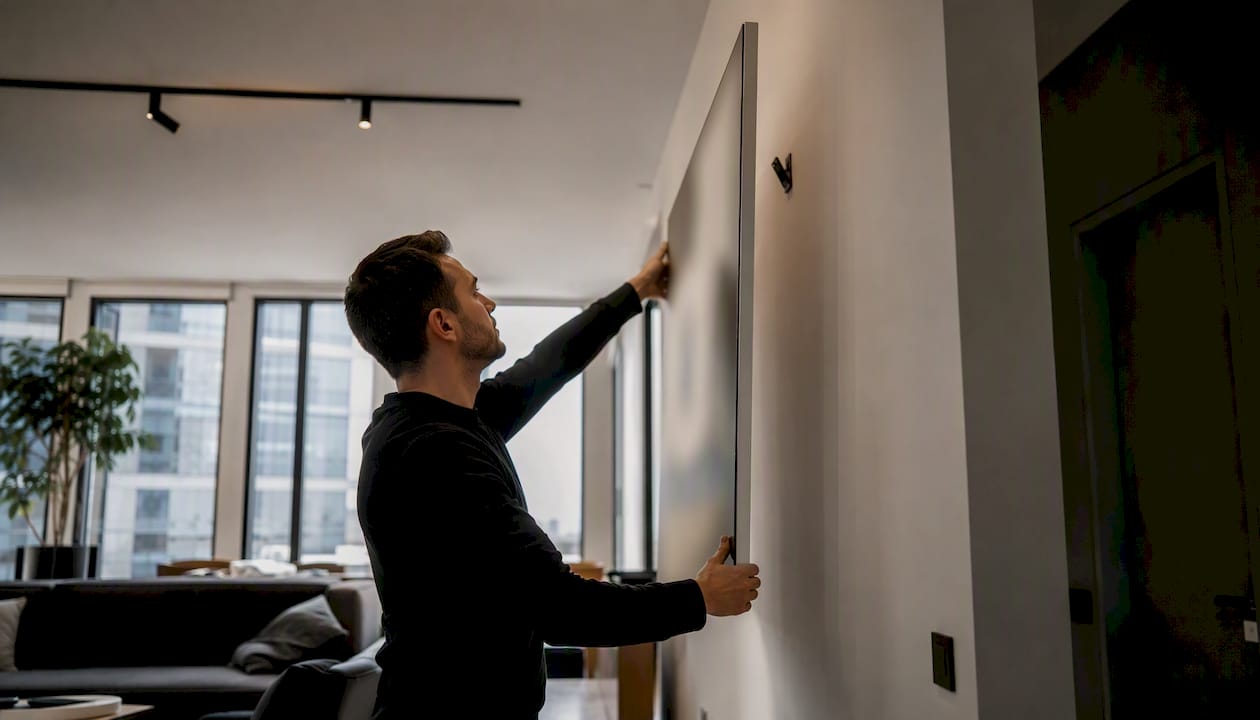
Not long ago, if you wanted a canvas piece that felt substantial, you had to buy a rolled print and have it stretched and framed. That process introduced variables. The stretching might warp the image. The frame might not fit the space. And the time lag meant you could not see the final piece in the room before committing. That is where ready-to-hang canvas art comes in. It arrives fully assembled: the canvas is stretched, the frame is attached, and the hardware is in place. You open the box, lift it onto the wall, and it is done.
This is not just about saving time. It is about reducing the number of decisions that can go wrong. When I worked on a commercial lobby project last year, the client needed twenty large pieces delivered and installed in a single weekend. The only way that worked was with pre-assembled, gallery-wrapped canvases that came with hanging systems already mounted. We did not have to coordinate with a framer or wait for a stretch job. The art went up in two days, and it looked exactly like the samples.
What Makes Quality Ready-to-Hang Canvas Art
Not all ready-to-hang pieces are equal. The term covers a wide range, from mass-produced decor to museum-grade prints. Here is what separates the good from the great.
Substrate and Stretching
The foundation matters. A high-end piece uses a solid wood frame, often an oak frame, that will not warp over time. The canvas should be stretched taut with even tension. Cheap pieces use thin, soft wood that bows under the canvas, creating waves in the image. Look for stretcher bars that are at least 1.5 inches deep. That depth gives the canvas room to breathe and keeps the surface flat. Gallery wraps, where the canvas wraps around the sides, are standard for ready-to-hang canvas art because they eliminate the need for a separate frame. The image continues onto the sides, which gives a clean, contemporary look.
Print Technology
The print method determines how long the piece will look good. Giclée prints, which use archival pigment inks on fine art paper or canvas, are the gold standard for longevity. They resist fading for decades. For larger runs or commercial projects, UV print technology offers durability and color consistency. Sublimation printing, common in the last few years, bonds the ink into a polyester coating on the canvas, resulting in a surface that is scratch-resistant and washable. That is useful for high-traffic areas like hotel lobbies or corporate corridors.
Another option is paperless art, a term I have heard more often in commercial framing circles. It refers to prints made directly onto canvas without a paper intermediary. The image becomes part of the canvas fiber, which reduces the risk of peeling or delamination. This is worth asking about if you are buying for a space that sees a lot of sunlight or humidity.
Glass and Protection
Canvas does not need a glass cover, but some pieces use museum glass in a separate frame overlay for extra protection against UV and glare. That is more common in residential settings where the art is close to windows. For most ready-to-hang canvas art, a UV-protective spray or laminate is sufficient. The key is to avoid cheap acrylic glazing that scratches easily and yellows over time.
Commercial vs. Residential: Different Needs
I have seen designers make the mistake of using the same type of canvas for a law office and a family room. The spaces demand different things.
For commercial interiors, durability is paramount. The art will be touched, bumped, and exposed to HVAC fluctuations. Commercial framing often uses heavier stretchers and reinforced corners. The hanging hardware must be rated for the weight of the piece, and the canvas should be tight enough that it does not sag in a warm room. Ready-to-hang canvas art intended for commercial use usually includes a French cleat system or a security bracket that makes installation fast and theft-resistant.
For residential decor, the priorities shift toward aesthetics and flexibility. Homeowners want to see a piece in context before committing, and they may change art seasonally. A good ready-to-hang piece for the home uses lightweight but strong materials, with a simple wire or sawtooth hanger that allows easy repositioning. The finish matters more. A matte UV print on canvas feels warmer and more natural than a glossy one, which can look plasticky under warm interior lighting.

I remember a project for a living room in a high-rise. The client had seen a piece at a showroom but could not get the framer to deliver before the party. We found a similar piece from a supplier that offered ready-to-hang canvas art. It arrived in three days, the color matched the sample, and the client hung it that evening. That is the kind of flexibility that makes this category so useful for residential work.
Where to Look and What to Avoid
Major retailers like Pottery Barn, West Elm, and Art.com have large selections of ready-to-hang canvas pieces. Their prices are reasonable, and the quality is consistent for standard sizes. But if you are outfitting a high-end residential project or a commercial lobby, you need to go deeper. Look for suppliers that specialize in museum-quality canvas prints. These companies usually offer custom sizing, a range of stretcher depths, and archival inks. They often use the term gallery wraps to describe their standard format, and they will tell you the exact method of printing and stretching.
One thing I watch for is the presence of a brand or line that focuses on this exact category. For example, Luxe Art and Canvas Solutions are two names I have seen in trade showrooms that offer consistently high-quality ready-to-hang work. They focus on the details: the depth of the frame, the quality of the ink, the tension of the canvas. Do not be afraid to ask for a sample corner before ordering a large set. A good supplier will send you a small swatch or a photo of the actual canvas texture under different lights.
What to avoid? Anything that ships rolled in a tube with instructions to stretch it yourself. That is not ready-to-hang canvas art. Also avoid pieces with visible seams on the sides of the canvas. A true gallery wrap has a clean, continuous image or a solid black wrap. If the sides show raw canvas or a visible staple line, the piece was not finished for display. That matters in a commercial setting where the sides are often visible from an angle.
Practical Tips for Installation
Even though the art arrives ready to hang, installation still requires care. Here are a few things I have learned the hard way:
- Measure the wall space and mark the center before you lift the piece. Use a level. A heavy canvas can trick your eye if you are working alone.
- Check the hanging hardware before you start. Some pieces come with a sawtooth hanger for light canvases. For anything over 20 inches on one side, use a cleat system or two D-rings with wire.
- If the piece is going above a sofa or a bed, leave at least six inches of clearance from the top of the furniture. That keeps the art in the right visual zone.
- For commercial installations, use security brackets or wall anchors that match the wall type. Drywall anchors work for most canvases, but concrete or brick requires a masonry bit and toggle bolts.
- Keep the packaging until the piece has been on the wall for a day. If the canvas relaxes or the frame shifts, you can exchange it without damage.
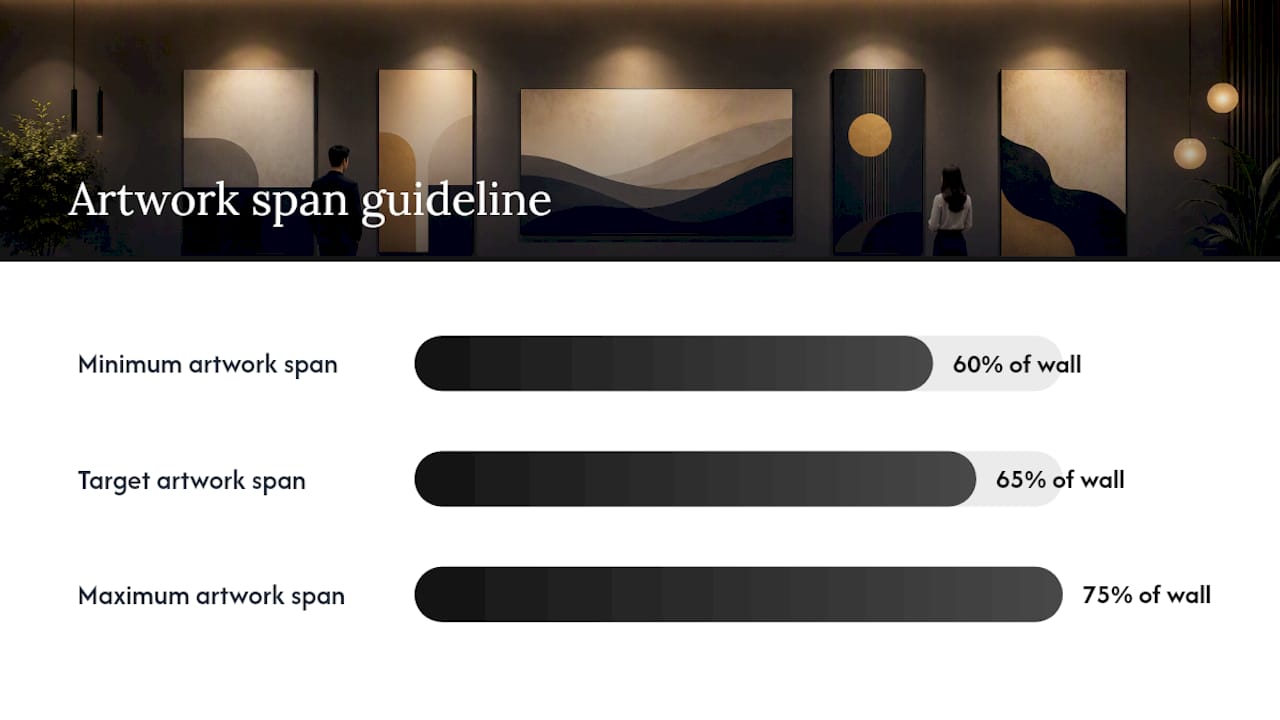
One more suggestion: do not rush the arrangement. When you are hanging a group of canvases, lay them on the floor first and move them around until the composition feels balanced. Then transfer the positions to the wall with a pencil mark. That prevents the common mistake of spacing them too far apart or too high.
The Bigger Picture
Publications like Architectural Digest and HGTV have covered the rise of ready-to-hang canvas art in the last few years. They highlight how it bridges the gap between custom art and mass-produced decor. I agree, but I would add that the best pieces in this category do not feel like a compromise. They feel considered. The canvas is stretched with care, the image is sharp, and the finish is durable. Whether you are a designer specifying art for a hotel chain or a homeowner refreshing a bedroom, the convenience of having a finished piece in hand is hard to beat.
That said, I always encourage people to treat the purchase as a real art decision. Do not buy a piece just because it is easy to hang. Buy it because the image, the color, and the texture belong in your space. The ready-to-hang canvas art market has matured to the point where you can find pieces that rival custom framing in quality. The difference is that you can have them on your wall this weekend instead of next month. That is a real advantage in a field where timing and execution often determine whether a space feels finished or just furnished.